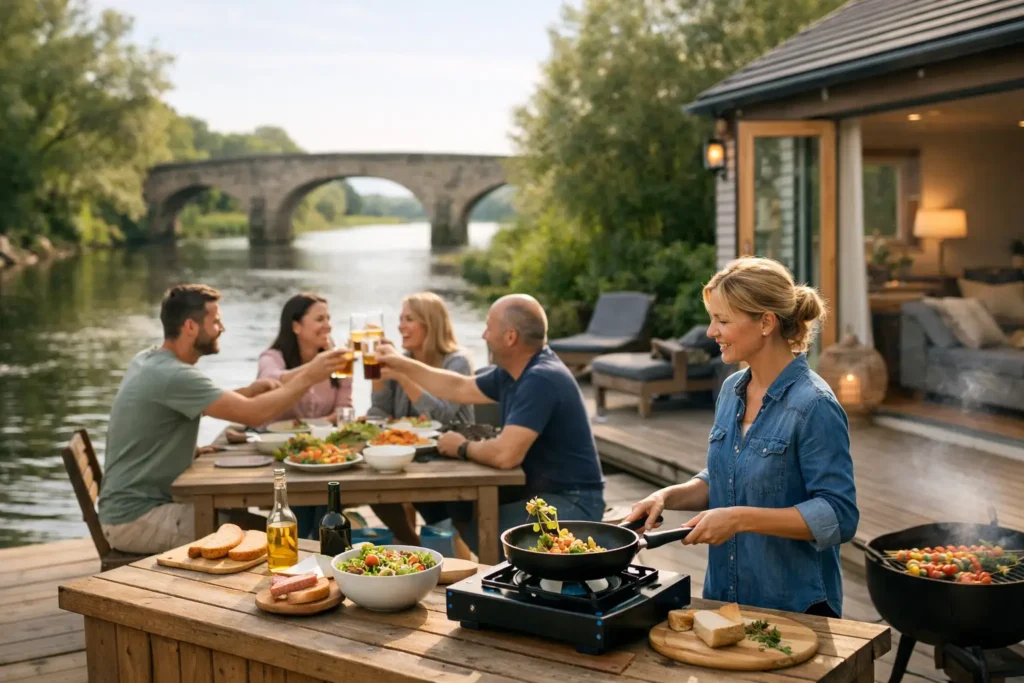
If you’ve been put in charge of how to organize a stag group stay, you’ve probably already learned one thing – everyone has opinions, and not everyone answers messages. The difference between a brilliant weekend and a messy one usually comes down to a few practical decisions made early, especially around where you stay, how you pay, and how much moving around the group has to do.
A good stag trip does not need to be overplanned. It does need the basics handled properly. When the accommodation suits the group, the location makes sense, and the plan is clear enough for everyone to follow, the whole weekend feels easier from the start.
How to organize a stag group stay without the usual chaos
The organizer’s job is not to keep every person happy every minute. It is to make smart choices that work for the group as a whole. That starts with getting clear on the shape of the trip before you book anything.
First, lock in the group size that is likely to travel, not the optimistic number from the first chat. There is always a gap between who says yes and who actually pays. If you book for 18 and only 13 commit, the cost per person can jump quickly. A smaller confirmed group is easier to manage than a bigger maybe.
Next, decide what kind of stag weekend this actually is. Some groups want a full social weekend with bars, late nights, and a packed schedule. Others want a mix of activities, decent food, and a comfortable base where everyone can stay together. Those are very different trips, and they need different accommodation. A place that works for a hard-charging nightlife group may be wrong for a mixed group that wants space, privacy, and a slower pace the next morning.
The best approach is to think from the group’s real habits, not the loudest guy’s fantasy itinerary. If most of the group wants convenience and a few well-chosen activities, book around that.
Pick accommodation that makes group travel easier
This is where most stag weekends are won or lost. If the group is split across different buildings, far from town, or crammed into a place that looks better in photos than in real life, everything gets harder. Check-ins take longer, taxis multiply, and the group starts drifting.
A proper group stay should make the weekend simpler. Look for accommodation with enough beds for the whole group, shared social space, straightforward room layouts, and a location that keeps walking or short transfers realistic. When everyone can stay together or very close together, the trip feels more relaxed and better organized.
There is also a difference between sleeping capacity and comfortable capacity. Ten people can technically fit in plenty of places. That does not mean ten adults on a celebratory weekend will enjoy it. Think about bathrooms, sleeping arrangements, kitchen space, and whether the common area can actually handle the group. If the group will spend time together before going out or after activities, that shared space matters.
For stag groups, central accommodation often saves more money than a cheaper place farther out. You may pay a little more upfront, but you spend less time coordinating transport, less money on taxis, and less energy trying to round people up.
Ask the right questions before you book
Before paying a deposit, get clear answers on arrival times, security deposits, house rules, bed setup, parking if needed, and what support is available if plans change. You also want to know whether the host is used to group bookings. That matters more than people think.
A host who regularly handles stag stays understands the practical side of group travel. They know the common issues before they become problems, and they can often help with timing, local advice, and what works best for the area.
Get the money sorted early
Nothing slows down a group trip like chasing payments. The easiest way to keep control is to set a clear per-person amount early, collect money before confirming extras, and build in a small cushion for unexpected costs. Waiting for everyone to “sort it later” is how organizers end up covering bills themselves.
Be direct. Tell the group what is included in the first payment, what is optional, and when the balance is due. If someone has not paid by the deadline, do not count them in the final numbers. It sounds strict, but it is fairer for the people who have already committed.
Try to separate essential costs from optional spending. Accommodation, core transport, and any prebooked activities belong in the fixed budget. Extra rounds, late-night food, and personal spending do not. That keeps the group chat from turning into a debate over who owes what.
Build a plan, not a minute-by-minute schedule
A stag weekend needs structure, but not military precision. The sweet spot is a simple framework: arrival, one main activity, meal plans, night-out timing, and checkout. Beyond that, leave room for the group to enjoy themselves.
One of the most common mistakes is trying to cram too much into one day. It sounds great in the planning stage, but in reality, people arrive at different times, somebody is late, and the group loses momentum. One strong activity and one good evening plan usually work better than three rushed bookings.
If you’re planning meals, keep them realistic. A big group often does best with one reserved meal and the rest left flexible. Some groups want a proper dinner together, while others are happier with easy food nearby and less formality. It depends on the mix of personalities and the type of weekend.
Leave room for the groom
The best stag weekends reflect the groom, at least a little. That does not mean every choice has to be sentimental, but the trip should feel like his kind of weekend rather than a generic package built around the loudest group members.
If he hates early mornings, do not book a demanding activity at 9 a.m. If he likes good food and a decent place to stay, prioritize that over trying to save a little money on accommodation. The group will usually enjoy the weekend more when the plan feels natural.
Think carefully about location
When people search for a stag destination, they often focus only on nightlife. That matters, but it is not the whole trip. You also need somewhere that can handle group stays well, has useful activity options, and lets everyone get around without hassle.
That is why towns with compact centers and proven group accommodation tend to work so well. In places like Carrick-on-Shannon, groups can stay close to the action, keep the weekend walkable, and combine the social side of the trip with daytime activities and decent food options. For the organizer, that makes life easier. You are not trying to piece together logistics across a wide area.
A good location reduces friction. Fewer transfers, fewer delays, and fewer moments where half the group disappears all make a real difference.
Use local help when it is available
This is the part many organizers overlook. If your accommodation provider also understands the area and can help with activities, dining, and timing, use that support. It saves time, and it usually leads to better choices than trying to build the whole trip from scattered recommendations.
Local guidance is especially useful for larger groups because what works for six people does not always work for sixteen. Restaurants, transport, and activity slots can fill quickly, and not every place handles group bookings well. Someone who knows the local setup can usually tell you what is realistic.
That hands-on help is one reason group organizers often prefer a host-led booking experience. With Carrick Self Catering, for example, groups are not just booking a place to sleep. They are getting support from someone who understands how group weekends work and what helps them run smoothly.
Expect a few trade-offs
Every stag trip involves compromise. A larger property may mean a slightly higher price. A central location may mean booking earlier. A packed itinerary may sound exciting, but a simpler one is often more enjoyable. The point is not to create a perfect weekend on paper. It is to create one that actually works for the people attending.
If your budget is tight, protect the essentials first. Good accommodation and a workable location usually matter more than adding extra activities. If your group is big, prioritize ease over novelty. The more moving parts you add, the more chances there are for delays and confusion.
And if the group is mixed in age or energy levels, avoid planning around extremes. The most successful stag stays tend to give people options without splitting the weekend apart.
Keep communication simple
The organizer does not need to write essays in the group chat. In fact, shorter updates work better. Send one clear message with the dates, price, what is included, payment deadline, and rough plan. Then repeat the key details closer to the trip.
The more scattered the information becomes, the more questions you get. People miss messages, skim details, and then ask things that were already covered. Keep everything in one place and keep it plain.
A well-organized stag group stay should feel easy before the group even arrives. When the beds are sorted, the money is collected, the location makes sense, and the main plans are already handled, everyone can relax a bit more and enjoy the weekend for what it is supposed to be – good company, no unnecessary hassle, and a trip that feels worth the effort it took to put together.