A great Carrick weekend rarely comes down to one big booking. It comes down to the details that stop 12 people from asking the same question in the group chat: Where are we staying? Who is bringing towels? Is dinner booked? How far is the activity? This guide to Carrick weekend planning is for the person keeping the trip moving, whether you are arranging a birthday, a bachelorette weekend, a guys’ getaway, a family reunion, or a short corporate break.
The good news is that Carrick-on-Shannon is made for a sociable short stay. The town is compact, the riverside setting gives the weekend a real sense of occasion, and there is plenty to do without spending half the trip in taxis. A little planning upfront means you can enjoy it along with everyone else once you arrive.
Start With the Group, Not the Itinerary
Before looking at restaurants or activities, get a clear answer on the basics: your dates, likely headcount, budget range, and the type of weekend people actually want. A group that wants a relaxed dinner and a boat trip needs a different plan from one looking for high-energy daytime activities and late nights.
Ask for a firm deposit by a specific date. This may feel slightly formal among friends, but it is the easiest way to avoid booking for 16 and having 10 people turn up. Keep one person in charge of payments and one shared message thread for essential updates. The organizer does not need to run a committee.
It also helps to identify the non-negotiables early. For some groups, it is central accommodation with enough beds for everyone. For others, it is a particular activity, a private meal, accessible ground-floor space, or a house that works for children. Once those needs are settled, the remaining choices become much simpler.
Choose Accommodation That Makes the Weekend Easier
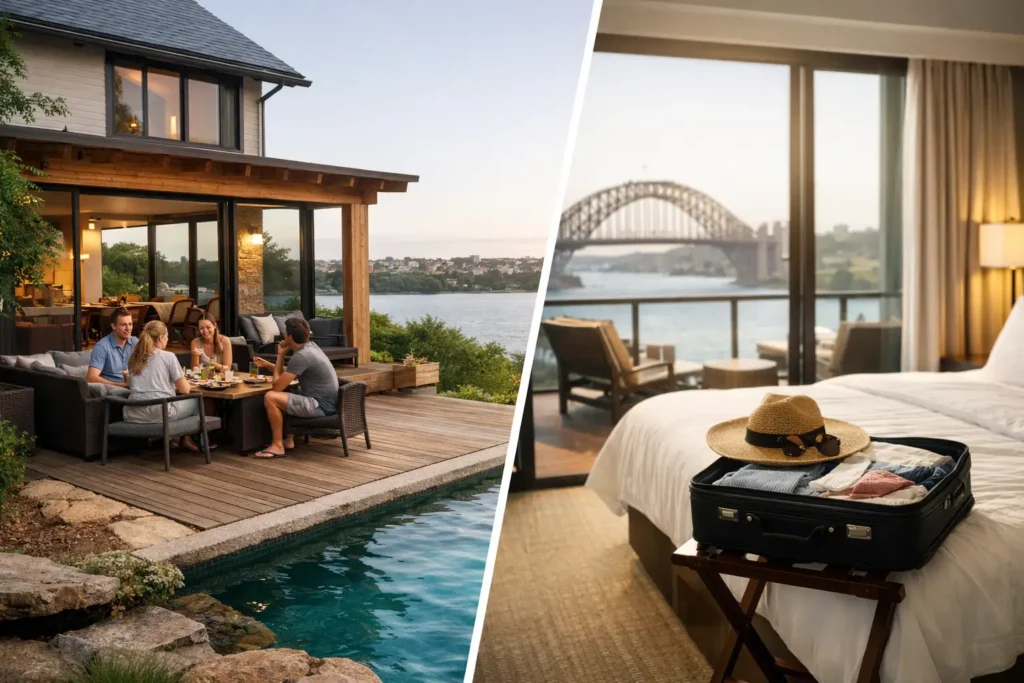
For a short group trip, location is often worth more than an extra feature you will barely use. Staying close to town lets the group walk to meals, drinks, shops, and meeting points. It reduces taxi planning, keeps late-night logistics straightforward, and gives people the freedom to come and go without splitting the group into cars.
Look carefully at bed layouts rather than only the maximum number of guests. A house sleeping 14 can work brilliantly for 14 friends, but the experience differs depending on whether that means double rooms, twin rooms, sofa beds, or shared spaces. Be open about expectations before anyone pays. Couples, friends who need quiet, and guests traveling with children may all have different priorities.
Also confirm the practical side: parking, check-in time, check-out time, kitchen equipment, outdoor space, towels, and whether there is room to gather comfortably before heading out. A self-catering stay is especially useful when your group wants a proper base rather than a place to sleep between plans.
If you are organizing a larger celebration, a local host can save you a lot of back-and-forth. Carrick Self Catering can help coordinate centrally located group accommodation alongside local activities and planning support, so you are not left chasing separate suppliers while trying to collect payments.
Build a Carrick Weekend Plan With Breathing Room
The best weekends have a shape, not a minute-by-minute timetable. Plan one main activity each day, reserve key meal times, and leave space for people to get ready, have a coffee, browse town, or simply sit together at the house. Overplanning is one of the quickest ways to turn a break into an obligation.
For a two-night stay, Friday works best as an arrival evening. Have a simple food plan in place, particularly if guests are arriving at different times. A restaurant reservation is ideal for a smaller group arriving early; for a bigger party, ordering in or preparing an easy shared meal can be more relaxed. Save the main celebration dinner for Saturday, when everyone is there.
Saturday is the natural day for your headline experience. Depending on the season and your group, that could mean time on the water, an outdoor activity, a guided experience, a spa-focused plan, or a lively group challenge. Book this earlier in the day than you think. A mid-afternoon start can create a rushed chain of showers, outfit changes, and missed dinner times.
Sunday should be deliberately lighter. Arrange a late breakfast or brunch, allow time for packing, and avoid commitments that make the journey home stressful. If the group has traveled a distance, a gentle final stop or a riverside walk is often a better finish than trying to squeeze in one more major activity.
Plan for the pace of your particular group
A bachelorette group may want a dressed-up dinner and a social night in town. A family group may value a bigger kitchen, easy parking, and an activity suitable for different ages. Corporate guests may prefer a well-timed shared activity followed by a relaxed dinner where everyone can talk. The destination can suit all of them, but the schedule should reflect the people, not a generic weekend template.
Book the Things That Are Hard to Replace
Accommodation comes first, particularly for popular dates and larger groups. After that, reserve the activity and dinner time that matter most to your weekend. Good slots for group experiences and larger restaurant tables can go quickly, especially around bank holidays, wedding season, and summer weekends.
Avoid making too many bookings that require the whole group to arrive at the same minute. People travel at different speeds, need breaks, and occasionally get delayed. Choose one central meeting point and give everyone a simple arrival window. If an activity has a strict start time, build in a buffer and tell the group the earlier meeting time, not the absolute latest possible one.
When you book, confirm what is included and what guests need to bring. Ask about weather policies for outdoor activities, payment schedules, minimum numbers, dietary requirements, and cancellation terms. These are not exciting questions, but they are the questions that protect the weekend when plans change.
Make Food and Drinks Part of the Plan
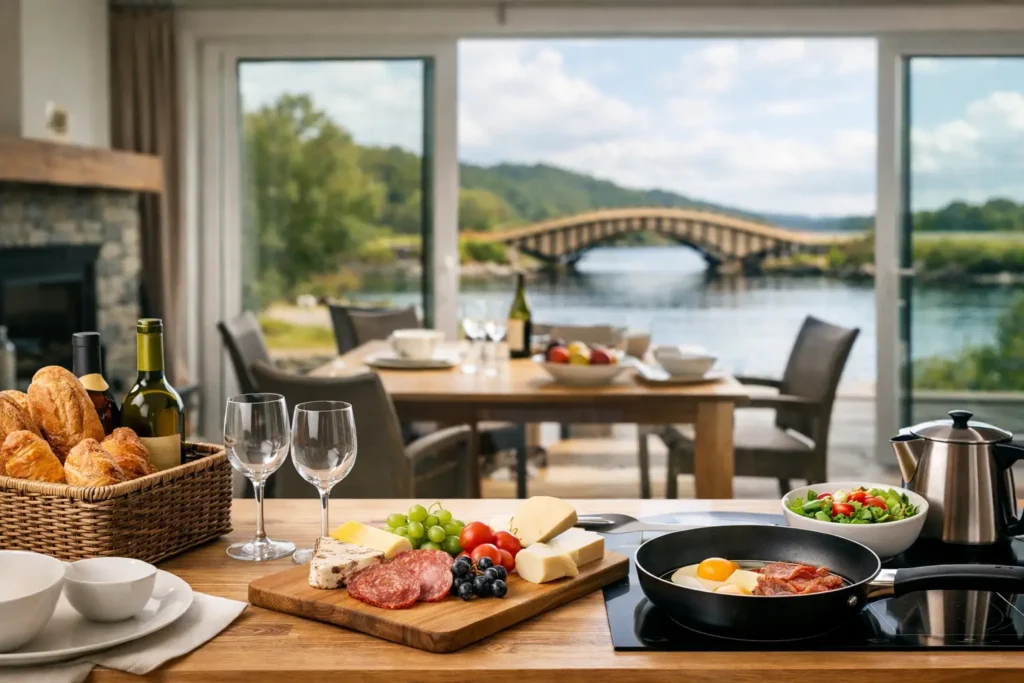
Self-catering gives a group more flexibility, but it still needs a light touch of organization. Do not try to create a full grocery list through a 20-person chat. Decide whether you are doing one shared breakfast, arrival snacks, or a casual meal at the house, then assign two or three people to handle it.
For a mixed group, shared basics work well: coffee, tea, milk alternatives, water, breakfast items, snacks, and a few easy options for late arrivals. Let people bring or buy their preferred drinks separately unless the group has agreed on a shared budget. That keeps the final split fair and prevents a small disagreement from taking up more time than it deserves.
For restaurant meals, collect dietary needs before confirming the table. It is much easier to give a venue one clear list than to discover a serious allergy as menus are being handed out. If your party is large, choose a set-menu approach when available. It keeps service moving and gives the group a clearer idea of the cost.
Give Everyone the Information They Need
A simple itinerary message sent a few days before departure makes a huge difference. Include the accommodation address and check-in details, who is sharing which room if relevant, activity meeting times, dinner reservations, what to pack, and the contact number for the main organizer. Keep it short enough that people will read it.
Packing depends on the season and your plans, but comfortable shoes and a waterproof layer are sensible for most Irish weekends. If the group is doing an activity outdoors or on the water, remind guests to bring a change of clothes and to dress for the conditions rather than the photos. A little realism here means everyone is more comfortable.
It is also considerate to agree on a basic group approach before arrival. Respect the accommodation, keep noise considerate, make sure nobody is left behind when heading between venues, and give people permission to opt out of an activity without making it awkward. A successful group trip does not require every person to do every thing.
Let the Organizer Enjoy the Weekend Too
You do not need to carry every decision alone. Delegate a few small jobs: one person can manage the arrival groceries, another can confirm dinner numbers, and someone else can take charge of photos or a birthday surprise. Your job is to create a clear plan, not to provide personal concierge service for every guest.
Most of all, leave room for the moments that cannot be scheduled: the first round after check-in, the shared breakfast where everyone catches up, the unexpected story from the activity, and the final coffee before heading home. Plan the foundations well, and Carrick can do the rest.