A corporate trip can lose momentum before the team has even arrived. One colleague needs a quiet room before a presentation, another is driving, a few people want to share, and someone has just realised the dinner venue is a taxi ride away. Knowing how to arrange corporate group accommodation means dealing with these details early, so the trip feels well looked after rather than pieced together.
For an off-site meeting, team-building break, training day or client event, the best accommodation does more than provide beds. It gives everyone a comfortable base, keeps travel time sensible and makes the organiser’s job far easier. The right plan depends on your group, but a clear brief and local support will save a great deal of back-and-forth.
Start with a clear group brief
Before requesting availability, decide what the trip needs to achieve. A one-night planning session has different priorities from a two-night team reward. Ask whether the group needs space to meet, somewhere to dine together, access to activities, or simply a convenient place to stay after an event.
Get accurate numbers first, but do not stop at the headline total. Confirm how many guests need single rooms, who is happy to share, whether anyone is arriving late, and whether there are accessibility or dietary requirements. It is also worth checking whether guests are bringing partners or extending their stay. A provisional rooming list makes it much easier for an accommodation provider to suggest a suitable mix of houses, flats or hotel-style rooms.
Set a realistic budget per person and be clear about what it should cover. Accommodation-only may suit a straightforward work trip, while a package including breakfast, a group meal or an activity can be better value and far easier to manage. The lowest nightly rate is not always the lowest overall cost once transport, separate venue hire and last-minute booking changes are added.
Give your provider the useful details
A good enquiry includes dates, number of guests, preferred room arrangements, the purpose of the trip and your expected budget. Mention the level of privacy the group needs, whether you require parking, and whether you would like help arranging dining or activities. This allows the host to recommend options that genuinely fit, rather than sending a generic availability list.
If dates are flexible, say so. Moving an event by one day or choosing a less busy weekend can open up better availability and more choice for larger groups.
How to arrange corporate group accommodation without guesswork
Appoint one decision-maker and one back-up contact. Group bookings can become complicated when every attendee contacts the property separately, asks different questions or changes their preference at the last minute. One organiser keeps the information consistent, while a named back-up prevents delays if that person is in meetings or away.
Next, ask for a written breakdown of exactly what is included. You should know the accommodation type, number of beds, check-in and check-out times, deposit amount, payment schedule, cancellation terms and any security deposit. If multiple properties are involved, confirm how close they are to each other. “Nearby” can mean next door or a twenty-minute walk, and the difference matters when the team is gathering for breakfast or heading to a meeting.
It also helps to agree a sensible deadline for collecting guest names and room preferences. Leave a little room for changes, but explain to colleagues that late additions can affect room allocations and rates. This is especially relevant for popular dates, when properties may not be able to hold spare rooms for long.
For larger groups, consider making a simple shared itinerary. It does not need to be overplanned. Arrival details, meeting times, dinner arrangements, transport information and an emergency contact are usually enough. People appreciate knowing where they need to be, while still having time to enjoy the break in their own way.
Choose accommodation that supports the event
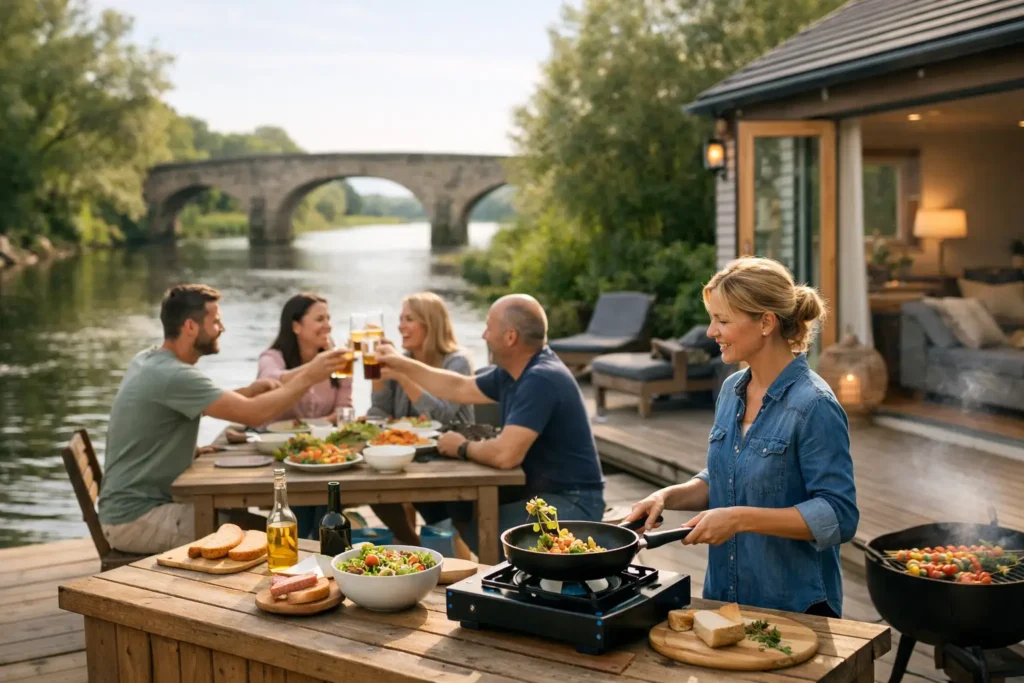
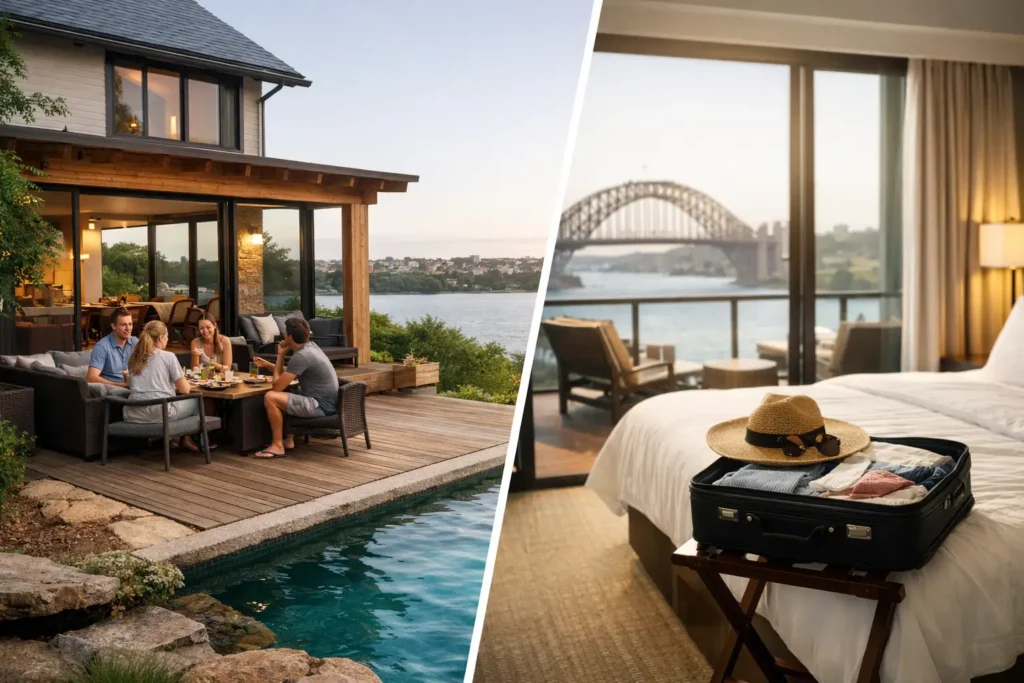
The most suitable accommodation is rarely just the biggest property available. Think about how the group will use the space. A large self-catering house can be ideal for a close-knit team that wants a relaxed place to gather after work, while a combination of houses or flats may give colleagues more privacy without losing the social side of the trip.
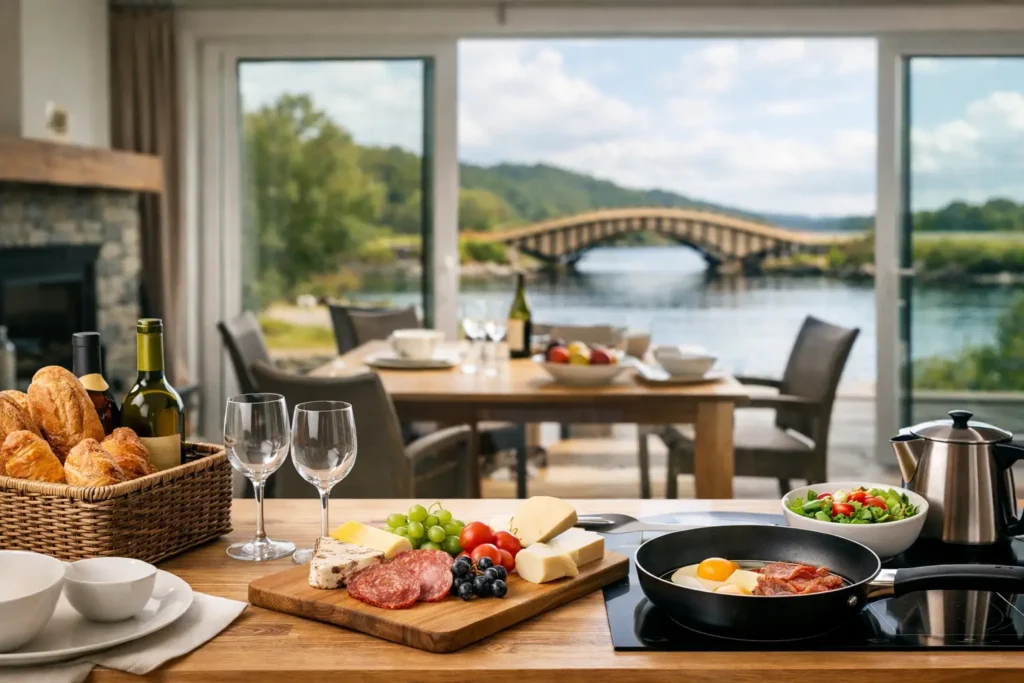
Check the practical details that affect comfort. Is there enough communal seating for the whole group? Are kitchens equipped for shared breakfasts or a caterer? Is Wi-Fi dependable for presentations and remote calls? Are there enough bathrooms, parking spaces and places for guests to leave bags if they arrive before check-in?
Location matters too. A central base can reduce the need for coaches and taxis, making it easier for the group to walk to restaurants, meeting venues and activities. In a town such as Carrick-on-Shannon, staying close to the centre can also give colleagues the freedom to explore independently once the formal part of the day is over.
Balance shared time with personal space
Corporate trips work best when nobody feels they are on duty every minute. Shared accommodation can create easy conversation and stronger team connections, but not everyone wants a late-night social schedule. Give people a choice where possible: a quiet room, a later breakfast, or time to step away between activities.
That balance is particularly valuable when colleagues do not know each other well, when clients are attending, or when the group includes a mix of seniority levels. Comfort and consideration make a better impression than a packed timetable.
Plan meals and activities around the group, not the brochure
A team dinner can be one of the most useful parts of an off-site stay, provided it is easy to reach and suits the group. Book larger tables in advance, share dietary requirements early and decide whether drinks are included or paid for individually. A clear arrangement avoids an awkward bill at the end of the evening.
Activities should have a purpose. A gentle boat trip, guided experience or casual group activity can give people a chance to talk outside the meeting room. More energetic options may suit a team reward, but they are not always right for a mixed group or a schedule with early starts. Offer an alternative if possible, or make participation optional.
Local hosts are particularly helpful here because they can advise on what works at certain group sizes and times of year. They can also flag practical points that are easy to miss, such as travel times, minimum numbers, weather considerations and dining slots that book up early.
Protect the budget and the organiser
Corporate accommodation often involves payment from a company card, expense claims or contributions from attendees. Decide how payment will work before confirming the booking. One central payment is simplest for the accommodation provider, but make sure your internal approval process allows enough time for deposits and balance payments.
Read the cancellation policy with care. Look at the dates when deposits become non-refundable, whether guest name changes are allowed and what happens if group numbers fall. Travel insurance and company policies may cover some circumstances, but they should not be treated as a substitute for understanding the booking terms.
It is sensible to keep a small contingency in the budget for transport changes, an extra meal or a last-minute room adjustment. That is not wasted money. It gives the organiser options if plans shift and keeps a minor issue from becoming the focus of the trip.
Work with a host who can coordinate the details
The easiest group trips have one point of contact who understands the accommodation and the destination. Rather than asking your team to research every restaurant, activity and transfer separately, choose a provider that can help shape the full stay around your timings and priorities.
At Carrick Self Catering, groups can speak directly with Philip about suitable accommodation, local activities and practical arrangements for their stay. That personal approach is useful when the group is spread across several properties, has a mix of room preferences or wants to add a meal or activity without chasing several suppliers.
Send final arrival details to every guest a few days before travel, including the address, check-in instructions, parking information and the organiser’s contact number. Then give yourself permission to stop managing every detail. With the right accommodation, clear expectations and a helpful host behind the scenes, you can join your colleagues and enjoy the trip too.