A team day can be productive from nine to five and still fall flat by dinner if everyone heads in different directions. The right team building accommodation Ireland option gives your group somewhere comfortable to regroup, relax and enjoy each other’s company after the agenda ends. For organisers, that means fewer moving parts, clearer costs and a trip that feels worthwhile rather than like another work commitment.
For a small department, a leadership retreat or a full company social, accommodation is not simply a place to sleep. It sets the pace of the whole break. Here is what to look for when planning a group stay that brings people together without creating extra work for the person arranging it.
What good team building accommodation in Ireland should offer
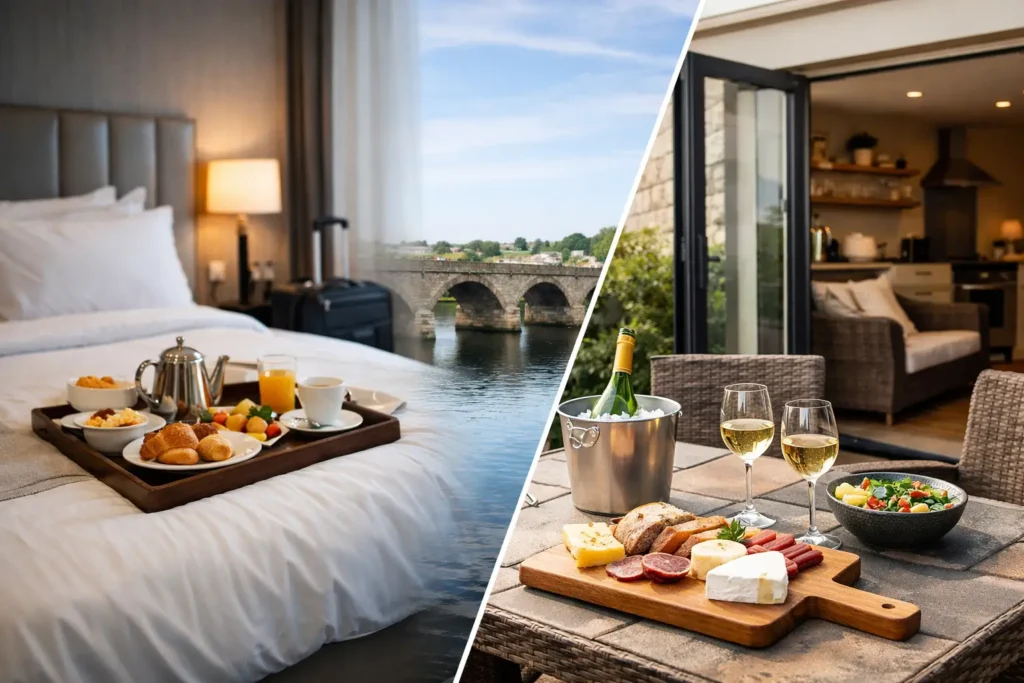
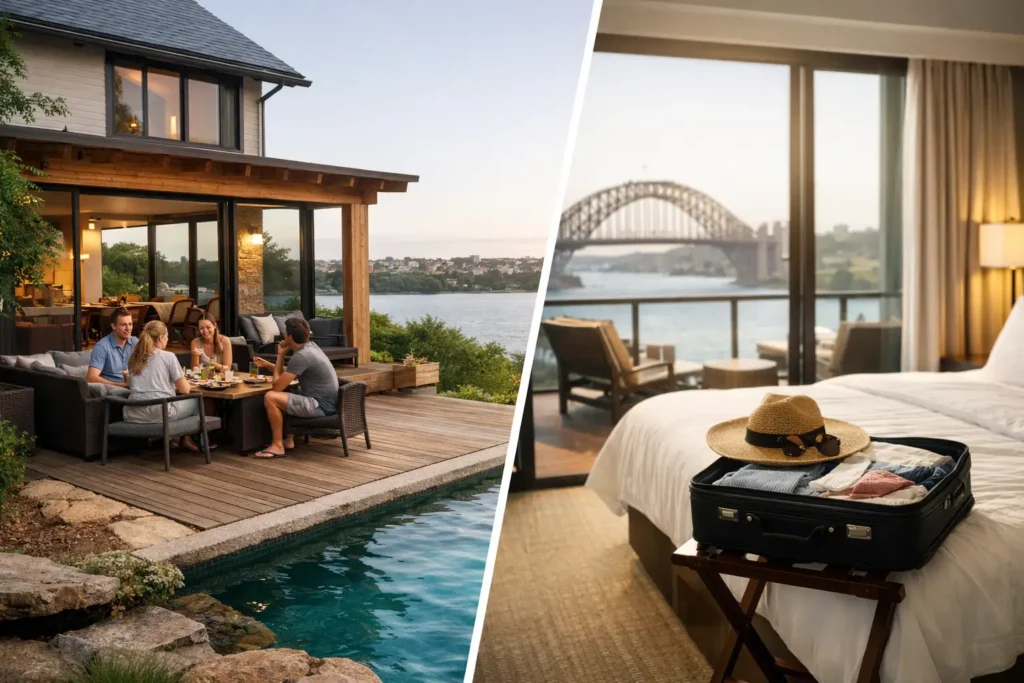
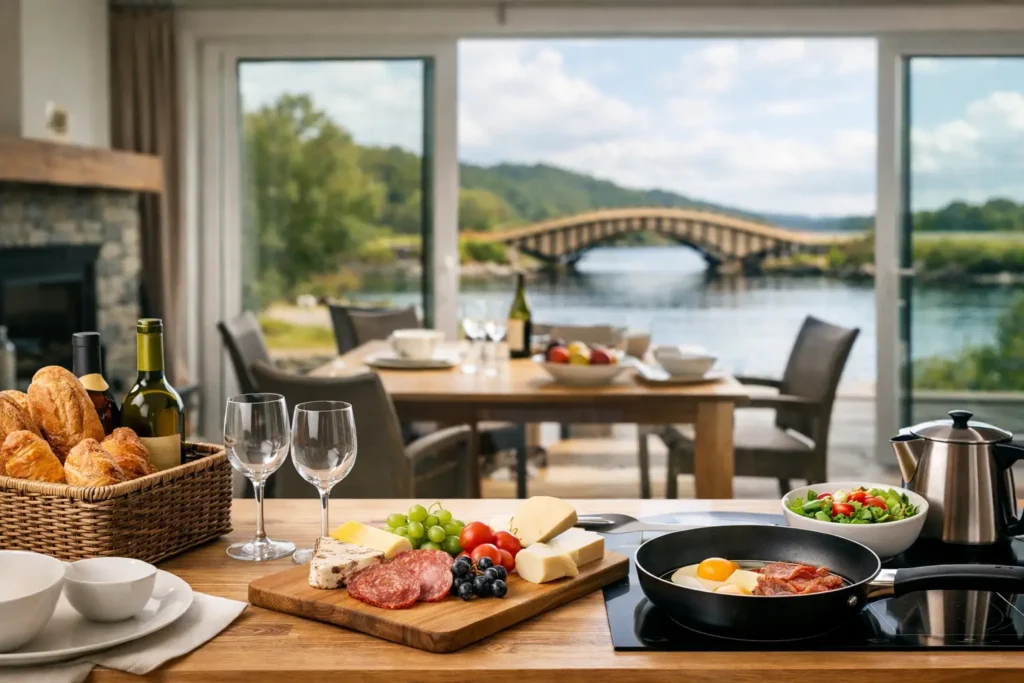
The best group stays make the practical side feel easy. Teams need enough bedrooms and bathrooms to avoid the usual morning bottlenecks, but they also need shared areas where conversations can continue naturally. A dining table large enough for the group, a proper living space and a kitchen for breakfast, snacks or a relaxed evening meal all make a noticeable difference.
Location matters just as much. Staying close to restaurants, pubs, activities and transport cuts down on taxis, late-night logistics and the question of who is going where. A central base also gives people choice. Some colleagues may want to join every planned activity; others may value an hour to themselves before dinner. Both should be possible.
There is a balance to strike. A hotel can suit a short, formal meeting with on-site conference facilities, while self-catering houses or flats are often better for teams who want privacy, flexibility and a more sociable atmosphere. For groups planning a one or two-night break, having your own space can make the trip feel far less structured once the working day is done.
Start with the purpose of the trip
Before comparing properties, decide what you want the time away to achieve. It sounds obvious, but it prevents a common problem: booking a brilliant social weekend when the business needs a focused planning session, or choosing a very formal venue for a team that would benefit more from getting out together.
A leadership group may need quiet space, reliable Wi-Fi and a comfortable setting for honest conversations. A sales team reward trip may be more about shared activities, a good meal and an easy night out. A mixed team with new starters might need low-pressure ways to get people chatting, rather than an activity that puts anyone on the spot.
Once the purpose is clear, your accommodation and itinerary become easier to shape. There is no single best activity or property for every workplace. The right choice depends on group size, budget, ages, mobility needs, personalities and how much free time people actually have.
Plan for the time between activities
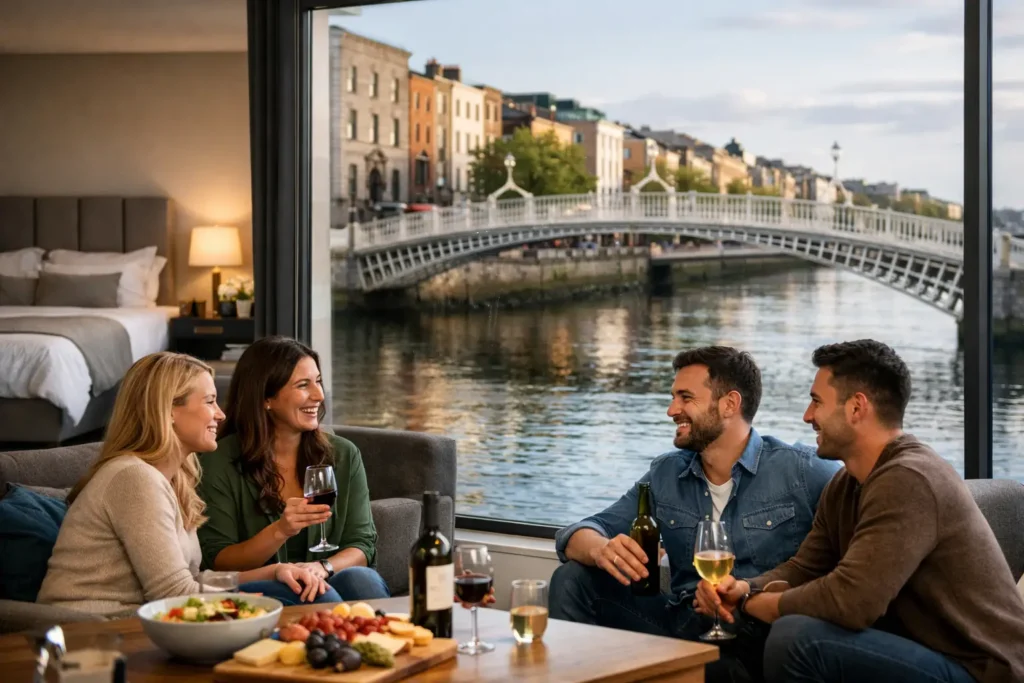
The most memorable team moments are often not the booked ones. They happen over coffee before heading out, when someone volunteers to cook dinner, or while the group recaps the day in the sitting room. That is why communal accommodation carries real value.
Do not fill every hour just because the team is away. Leave room for people to settle in, freshen up and enjoy the setting. A simple schedule with one main daytime activity, time to relax and a dinner plan is often more successful than an overpacked programme.
Choose bedrooms with the whole group in mind
Sleeping arrangements can make or break the comfort of a corporate group. Be clear from the outset about room configurations and whether colleagues are happy to share twin rooms. Avoid assuming that people will be comfortable sharing double beds, particularly where teams include a mix of ages or people who do not know each other well.
It also helps to ask about accessibility, parking and any individual requirements early. A well-organised trip is inclusive by design, not because someone is trying to solve a problem at the last minute.
For larger groups, consider whether everyone needs to stay in one property or whether neighbouring houses or flats work better. One large house creates a strong shared atmosphere. Several nearby units can offer more privacy and a quieter night for those who prefer it. There is no wrong answer, provided the group still has a natural place to meet.
Build activities around participation, not pressure
Team building does not need to mean forced icebreakers in a meeting room. The strongest activities give people something to do together and leave space for different personalities to contribute. A gentle outdoor challenge, a boat trip, an escape room-style experience, a cookery session or a guided local activity can all work well when matched to the group.
Think carefully about energy levels and confidence. Competitive activities can be great for an enthusiastic, sporty team, but they may exclude people who are less active or simply do not enjoy being put on display. It is often wise to offer an activity with a social element rather than making performance the point.
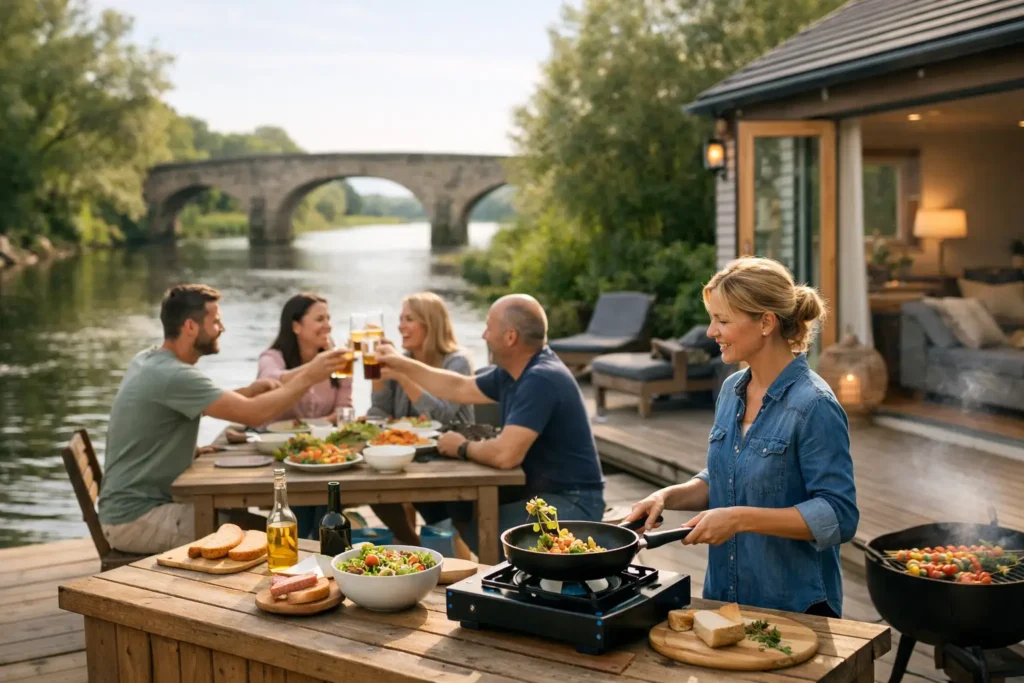
In Carrick-on-Shannon, a riverside setting makes it easy to combine an active day with a relaxed evening. That combination works especially well for teams travelling from different parts of Ireland: there is enough to do together, but the weekend does not feel like a timetable they have to survive.
Keep the organiser’s workload under control
A team trip can become stressful when accommodation, dinner, activities and transport all sit with different suppliers. Every separate booking creates another confirmation, deposit, contact person and cancellation policy to manage. For the person organising it alongside their normal job, that can quickly take the fun out of the event.
Where possible, choose a provider that can help coordinate the practical details. Local knowledge is useful here. A host who knows which restaurants suit a group, which activities fit the weather and how long it really takes to get between places can save you from a lot of guesswork.
At Carrick Self Catering, groups can arrange centrally located self-catering accommodation alongside local activities and dining support, with direct help from Philip when plans need shaping. That personal point of contact is particularly reassuring when numbers change, arrival times vary or you need an honest recommendation rather than a generic package.
Set a budget people can understand
Be upfront about what is included. Teams respond well to a clear per-person figure covering accommodation and any planned activity, while optional extras such as drinks, transport or an upgraded dinner can be explained separately. Hidden costs create awkward conversations and make it harder for people to commit.
Value is not always the lowest nightly rate. A property a little closer to town may reduce transport costs. Accommodation with a kitchen may make breakfast easy and keep the overall spend sensible. A provider that helps you arrange the weekend can also save the organiser valuable time.
Ask about deposits, final payment dates and the process if attendance changes. Corporate groups can be affected by work commitments right up to departure, so a clear policy matters. It is better to know what flexibility is available before you confirm the headcount.
Make the working element comfortable
If the trip includes a meeting or planning session, be realistic about the set-up. A large dining table may be ideal for a smaller leadership discussion, but a bigger group may need a separate meeting room. Check Wi-Fi, screen or presentation requirements, plug points and whether the layout allows everyone to take part.
Keep formal sessions focused. People will be more engaged if there is a clear purpose, a defined finish time and a change of scene afterwards. Even a short walk, a group lunch or an outdoor activity can help colleagues return to the workplace with better energy and stronger connections.
A simple way to book with confidence
Start by confirming your approximate dates, group size and spend per person. Then decide whether the stay needs meeting space, activities, meals or simply a comfortable social base. Share any non-negotiables early, including bedroom preferences, accessibility needs and travel plans.
From there, focus on the experience you want people to have. Do you want the team to leave feeling rewarded, better connected, clearer on a business goal or all three? The accommodation should support that feeling from arrival to departure.
A well-chosen group stay gives colleagues more than a change of scenery. Give them comfortable space, a plan with room to breathe and help from people who know the area, and the team will have every chance to make the time away count.