The group chat starts with good intentions, then becomes 83 unread messages, three different budgets and nobody certain who is booking what. Self catering group trips work best when the accommodation does more than provide beds. It should give everyone a comfortable base, keep the group close to the action and make the practical bits easier for the person doing the organising.
For a hen weekend, stag break, family celebration, wedding stay or team outing, self catering gives a group more freedom than separate hotel rooms. You can gather over breakfast, get ready together before a night out and enjoy a slower morning without checking out of a dining room at a set time. The key is choosing a place and a plan that suit the people actually travelling, not just the headline price.
Why self catering works for group getaways
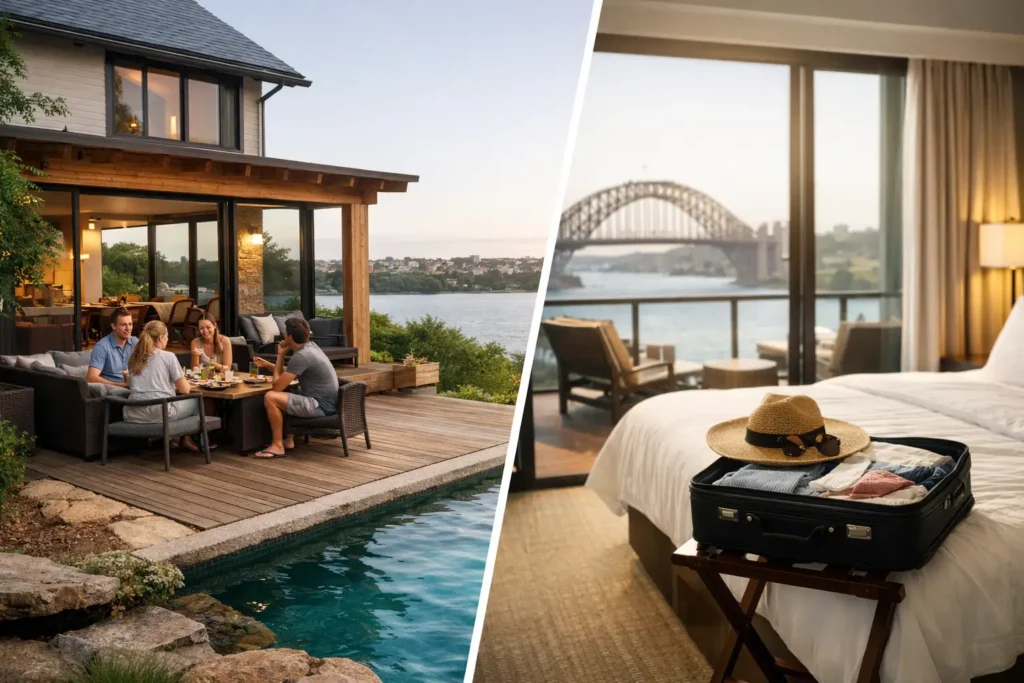
A self catering stay gives a group its own rhythm. Early risers can put the kettle on, late-night chat can carry on in a shared living space, and anyone who needs a quiet hour can step away without leaving the property. That matters when friends, couples, relatives or colleagues are all travelling together with slightly different habits.
It can also make the budget easier to manage. Rather than everyone paying separately for meals and extras throughout the stay, groups can bring supplies, plan one relaxed meal in and save their spending for the things they are genuinely excited about. That does not mean cooking every meal. For many celebration groups, the best balance is a simple breakfast at the house, one booked dinner and plenty of time for activities or a night in town.
Location makes a real difference here. A central house or flat means fewer taxis, less waiting around and no need to appoint someone as the unofficial transport manager. In a lively place such as Carrick-on-Shannon, being close to restaurants, bars, the river and activity meeting points can turn a good weekend into an easy one.
Start with the group, not the property
Before comparing photos, get a clear answer to three questions: how many people are coming, what is the reason for the trip, and how much does each person expect to spend? A group of twelve friends celebrating a hen party will want something different from three families sharing a school-holiday break. The right property is not simply the one with the most bedrooms.
Think about sleeping arrangements early. Couples may prefer double rooms, while groups of friends are often happy to share twin or multi-bed rooms if it keeps costs sensible. Check the number of bathrooms too. A spacious house can still feel crowded if ten guests are trying to get ready with only one shower.
Shared space deserves just as much attention. Ask whether there is a living area large enough for everyone to sit together, a kitchen that can cope with a group breakfast and enough dining space for a relaxed meal. If the purpose of the trip is to spend time together, these are not minor details.
Set one realistic budget
The cheapest per-person rate is not always the best value. A property outside town may appear less expensive, but regular taxis can quickly change the maths. Equally, paying a little more for central accommodation, proper communal space and helpful local planning can reduce the number of separate bookings and last-minute costs.
Give the group one clear figure that covers accommodation and any agreed essentials. Then separate optional spending, such as activities, drinks, a special dinner or upgrades. This avoids an awkward situation where some guests believe everything is included and others are planning for extras.
For the organiser, collecting payments before confirming the booking is usually kinder to everyone. A firm deadline is better than chasing people one by one. It also allows you to book with confidence while availability is still good, especially for popular spring and summer weekends.
Planning self catering group trips in the right order
Group trips become difficult when every detail is tackled at once. A better approach is to secure the foundations first, then add the enjoyable parts around them. Begin with dates and accommodation, then decide on travel, one or two key activities and places to eat.
Avoid filling every hour. A packed itinerary may look impressive in the chat, but it rarely survives a group with different energy levels. Leave room for a lazy breakfast, a late start after a night out or an unplanned walk by the river. The strongest plans have a little structure without feeling like a timetable.
If you are booking for a hen or stag group, choose one main activity that gives the weekend a shared highlight. It might be a boat trip, an outdoor challenge, a themed experience or something more relaxed. Add a dinner reservation and you have the shape of a memorable break without turning the organiser into an events coordinator.
Use local knowledge where it counts
A host who knows the town can save hours of research and prevent the usual group-booking mistakes. They can help you judge which activities suit the group, advise on timing, suggest dining options that can take larger parties and flag details such as walking distance or transport needs.
That support is particularly useful when guests are arriving from different places or when the trip is built around a wedding. Wedding guests often need somewhere comfortable to stay, but they also appreciate knowing where to have breakfast, how to get around and what to do before or after the main event.
At Carrick Self Catering, the aim is to make those decisions simpler: accommodation, activities and local recommendations can be coordinated around the group rather than left to one person to piece together from scratch. Direct host support also gives organisers someone to ask when plans change, numbers shift or a practical question needs a quick answer.
The small details that keep everyone happy
Most group problems are predictable. Someone arrives early, someone else needs to leave before checkout, a guest has dietary requirements, or two people assume they have a room to themselves. Address these details before the trip, while they are easy to solve.
Share the final plan in one message a few days before travel. Include the property address, check-in arrangements, room allocation, transport plan, activity times and the name of the person to contact if anyone gets delayed. It sounds basic, but it stops the organiser answering the same questions from a moving train or busy motorway service station.
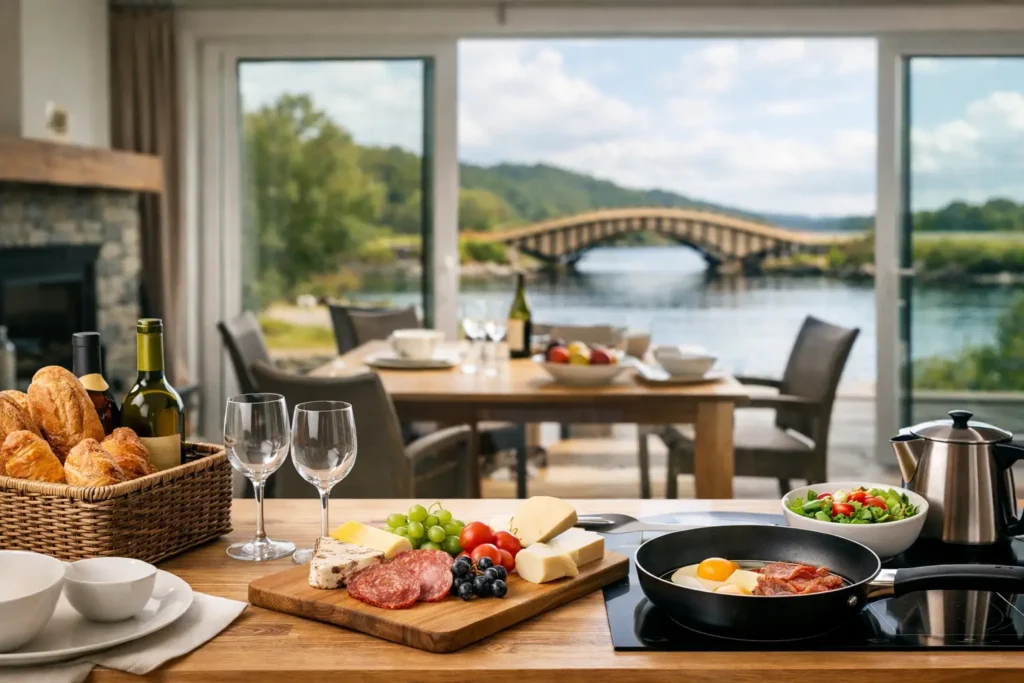
It is also worth agreeing on food. A simple shared shop for tea, coffee, milk, breakfast bits and snacks helps the first morning run smoothly. For longer stays, decide whether the group will cook one evening or eat out each night. There is no wrong answer, provided expectations are clear.
Respect for the property matters too. A self catering house gives a group more privacy and freedom, but it is still someone’s accommodation and often part of a residential area. Make sure everyone understands the house rules, especially around noise, guest numbers and checkout. Good planning protects the group’s stay and helps ensure a warm welcome for the next one.
Choose comfort over compromise
Self catering is not automatically the right choice for every trip. If people are only staying one night and want every meal and service handled for them, a hotel may suit better. But for groups who want time together, flexible meals, room to breathe and a base that feels more personal than a row of separate rooms, it is hard to beat.
The best trips are rarely remembered for a perfectly colour-coded itinerary. They are remembered for everyone being together: the breakfast stories, the music while getting ready, the extra cup of tea after a late night and the feeling that nobody had to work too hard to make it happen. Give your group a comfortable base, a clear plan and a little space for spontaneity, and the rest tends to fall into place.