The best stag weekends rarely come down to one big night out. They work because somebody has made the practical decisions early: where everyone is staying, how people will get about, what is booked, and where the group can regroup when plans change. Get those details right and the groom gets a proper send-off without one organiser spending the weekend answering 27 messages.
Start stag weekends with the right kind of plan
There is no single formula for a great stag. Some groups want a packed schedule with a few drinks afterwards. Others want a relaxed house base, a good meal and the freedom to decide the night as it goes. The useful question is not, “What should a stag do?” It is, “What will this particular group genuinely enjoy?”
Start with the groom. Find out what he wants to avoid as well as what he would enjoy. He may be keen for outdoor activities, live music and a late one, or he may prefer a good meal, a few pints and no pressure to perform. A simple conversation at the beginning can prevent a weekend being built around someone else’s idea of a laugh.
Then be realistic about the group. A mixed crowd of university mates, work friends, brothers and future in-laws needs a different plan from a close group of ten friends. Not everybody needs to join every activity, but everyone should feel included in the overall trip. Build in choice rather than treating the weekend like a military timetable.
Pick a base that makes the group easier to manage
For group breaks, location matters more than a flashy extra. A central self-catering house or flat gives people somewhere comfortable to gather before heading out, somewhere to return to after dinner, and somewhere to have breakfast without trying to reserve a dozen separate tables.
It also gives the organiser a far simpler job. Rather than coordinating taxis from several hotels or checking whether everyone has made it to the meeting point, the group starts and ends most of the day together. That is particularly valuable when guests arrive at different times or when a few people prefer an earlier night.
When comparing accommodation, check the details that affect a group in real life. Ask how many proper beds there are, whether there is enough living space for everyone, where parking is available, and how close you are to restaurants, pubs and activities. A place that sleeps the right number on paper may still feel cramped if there is no room to sit together.
Self-catering is often the better value choice for stag groups because it gives you flexibility. You can bring breakfast supplies, order in food on the first evening or keep snacks and drinks on hand. It does not mean you need to cook every meal. It simply means the weekend is not dictated by restaurant opening times and hotel breakfast slots.
Give the group one clear meeting point
Set a meeting point and an arrival window, then share the essential information in one message. Include the accommodation address, check-in arrangements, parking details, the first planned event and one contact number for the organiser. A group chat is useful, but a message with the key details pinned at the top saves a surprising amount of confusion.
If some guests are travelling a long way, avoid putting the headline activity too early on day one. A relaxed check-in, casual meal or pub meet-up is a better start than asking late arrivals to rush straight into an activity they have already paid for.
Choose activities with energy, not pressure
The strongest itinerary usually has one main daytime activity, a good food plan and enough free time for the group to enjoy itself. Trying to fit three big activities into one day can leave people tired, late and less interested by the time evening arrives.
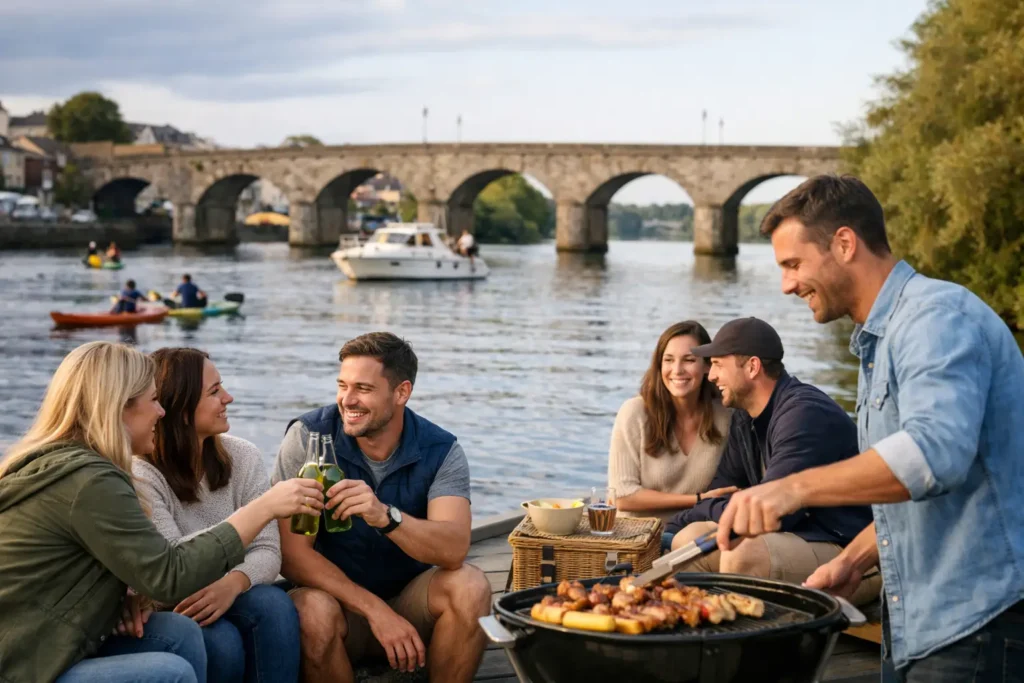
Carrick-on-Shannon works well for groups because it offers a lively town setting alongside plenty of options for getting outdoors. Depending on the season and the group, you might build the day around an adventure activity, time on the water, a sporting challenge or a relaxed local experience. The point is to choose something that gives the group a shared story, rather than simply filling hours.
Consider the trade-off between high-energy and low-pressure plans. Paintball, karting or active outdoor sessions can be brilliant for an energetic group, but they may not suit everyone if there are injuries, mixed fitness levels or a big age range. A boat trip, tasting experience or casual tournament can keep the social side high while asking less of people physically.
Book the activity that matters most first. Once that is confirmed, you can shape the rest of the day around it. Leave a sensible buffer for showers, changing, taxis and the inevitable person who has misplaced a wallet, phone or shoe.
Sort food before hunger starts making decisions
A good evening can unravel quickly when 14 people are trying to agree where to eat at 8.30pm. Book a restaurant for the main night, confirm dietary requirements in advance and choose a time that gives everyone a chance to freshen up after the day.
For the first evening, keep it easy. A pre-ordered meal, casual restaurant booking or food at the house takes the pressure off guests arriving at different times. On the final morning, have breakfast basics ready so nobody has to find a shop before coffee.
It is worth agreeing a rough food budget with the group before booking. The person organising should not have to carry the cost because half the group changes their mind at the table. Collecting money in advance for accommodation, key activities and the main meal keeps the numbers clear and protects everyone from awkward chasing later.
Keep the budget simple and visible
Stag weekends become expensive when costs appear one at a time. The accommodation may seem affordable, but taxis, activity add-ons, meals and last-minute changes can quickly push the total up. Give guests an honest per-person estimate from the start, including what is covered and what they should pay for themselves.
A clear payment deadline is kinder than endless reminders. Once a place is confirmed, make it clear that anyone who drops out after the agreed date may still be responsible for their share. It sounds firm, but it avoids the organiser and remaining guests being left with an unexpected bill.
You do not need every minute to be cheap. Spend where it improves the experience, such as comfortable accommodation, a reliable group activity or a good meal. Save where it does not matter, such as complicated decorations, unnecessary matching outfits or an overstuffed schedule.
Let a local host remove the awkward bits
Planning a group trip from a distance can mean juggling accommodation providers, activity companies, restaurants and transport. That is where local knowledge makes a real difference. A host who understands the town can help you judge travel times, choose activities that suit your numbers and avoid building a plan that looks good online but does not work on the ground.
Carrick Self Catering can help groups combine a central place to stay with local activities and practical trip planning, so you are not left trying to coordinate every supplier yourself. It is especially useful when the group is large, the organiser is busy, or people are travelling from different parts of the country.
Be open about what you want from the weekend: budget, group size, dates, preferred pace and any non-negotiables. The more clearly you explain the group, the better the recommendations will be. A good host will not push every possible extra. They will help you choose the parts that will make the stay easier and more enjoyable.
Leave room for the moments you cannot plan
A successful stag does not need a packed spreadsheet from breakfast until closing time. In fact, the best bits are often the unplanned ones: everyone catching up over breakfast, an unexpected round in a pub, or a late-night conversation back at the house.
Make the important bookings, communicate clearly and give the group a comfortable base. Then allow the weekend enough breathing space to become the celebration it is meant to be.