A group break can begin with one enthusiastic message and quickly become a full-time job for the person who volunteered to organise it. Group travel trends are moving firmly towards easier planning, more time together and trips that feel personal without asking one guest to manage every detail. For hens, stags, family reunions, wedding parties and work getaways, the best weekend is no longer simply about finding beds. It is about making the whole plan work.
That shift matters when people have different budgets, travel times and expectations. One person wants an activity-packed schedule, another wants a long lunch, and someone will always need a quiet room or an early night. The answer is not to over-plan every hour. It is to choose a base and a format that give the group room to enjoy themselves.
Group travel trends are becoming more practical
The headline trend is convenience, but not the impersonal kind. Groups increasingly want a real local point of contact who can help with the useful questions: Which activities suit this mix of people? Where can everyone eat together? How far is the town centre? What happens if numbers change?
This is particularly true for short breaks. When a group only has two nights away, no one wants to spend the first afternoon comparing taxis, trying to split a restaurant booking or searching for an activity with space left. A stay that brings accommodation, local knowledge and optional experiences into one plan feels far more valuable than a cheaper booking that leaves the organiser to piece everything together.
There is a trade-off, of course. A fully packed package can be ideal for a big celebration, but it may feel restrictive for a family group or friends who prefer a slower weekend. The strongest plans offer a clear structure while leaving breathing space for a spontaneous pint, a riverside walk or a lie-in.
Shared spaces matter more than extra amenities
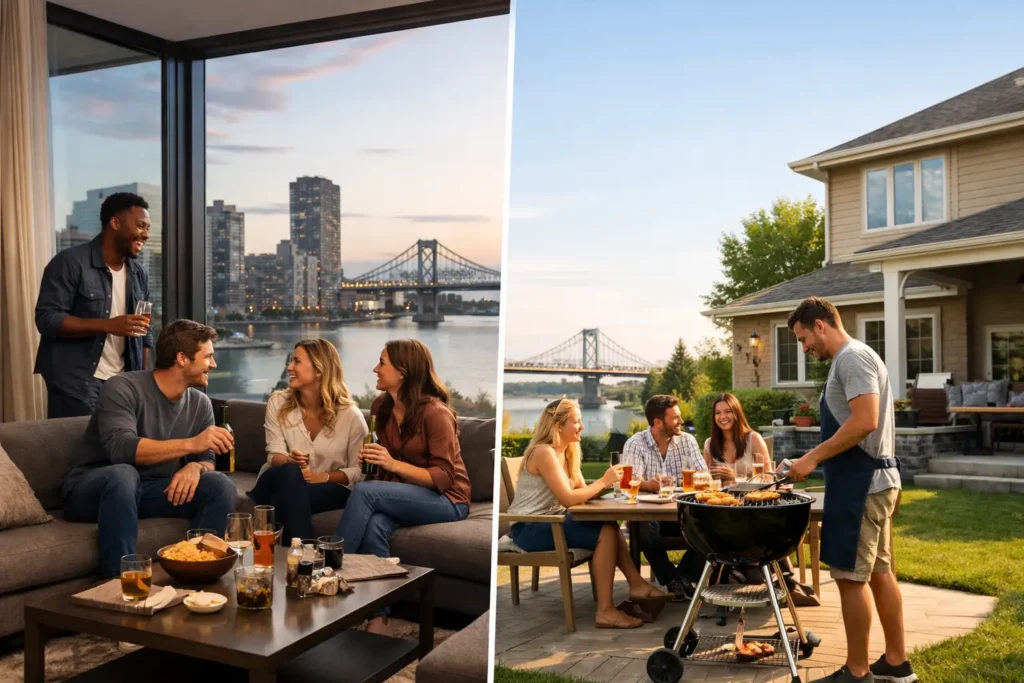
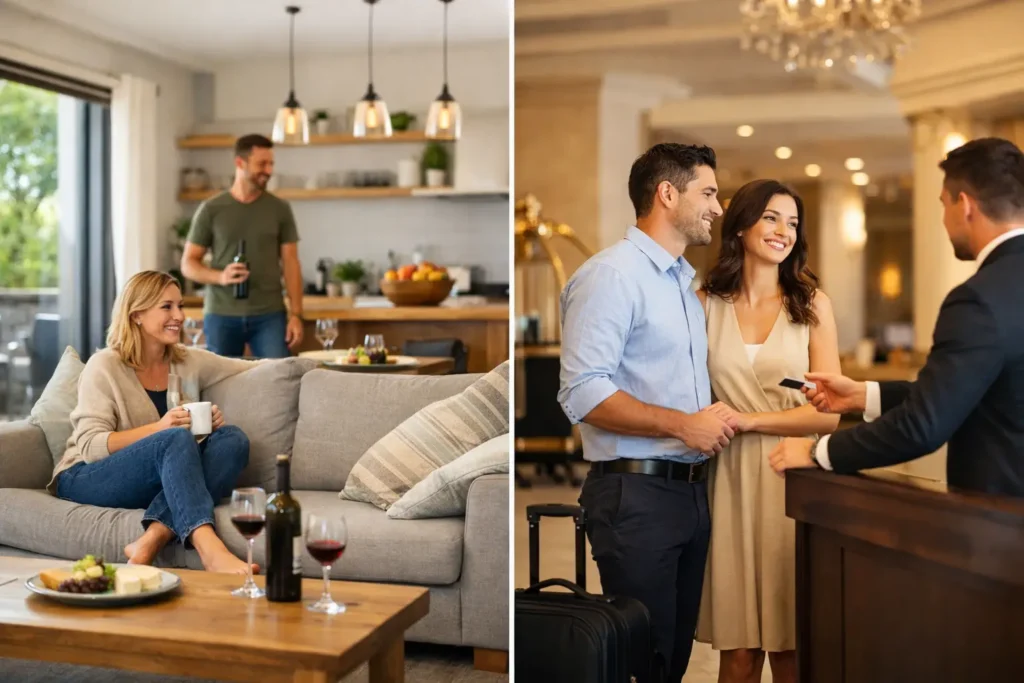
For many groups, a row of separate hotel rooms no longer feels like the best fit. Guests want a shared living area where they can have breakfast together, open a bottle before dinner or continue the conversation after an activity. Self-catering houses and flats make that easy, especially when the group includes a mix of couples, friends and relatives.
This does not mean every group wants to cook all weekend. Quite the opposite. A well-equipped kitchen is often about flexibility rather than a plan to prepare three-course meals. It is useful for tea and coffee, snacks after a late night, a family breakfast and keeping costs sensible. Then the group can still enjoy local dining when it suits.
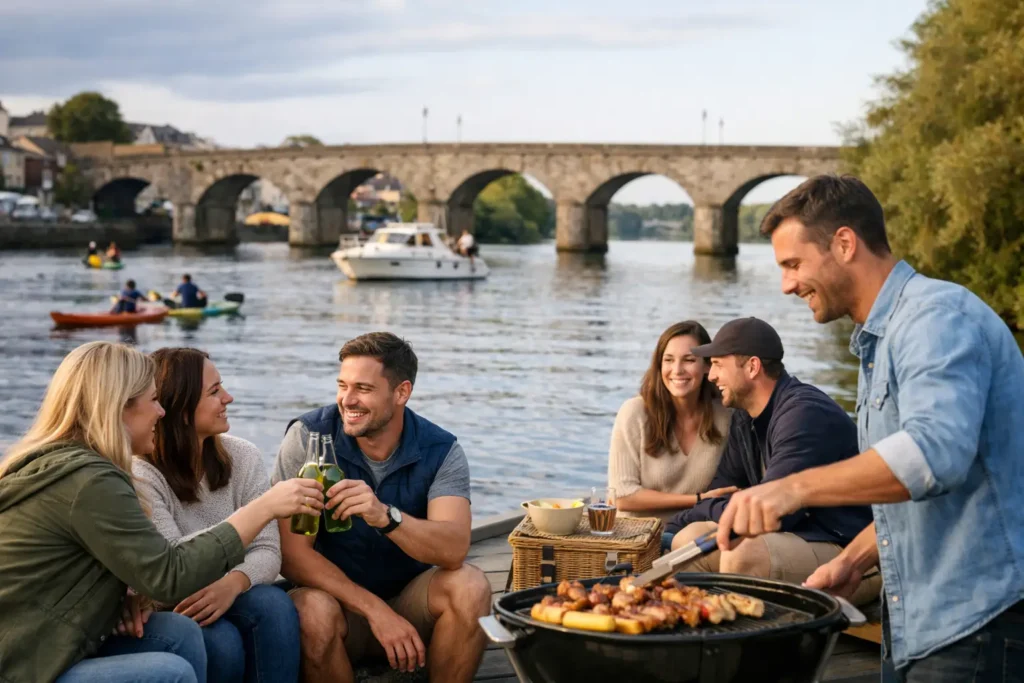
Location is part of the same calculation. A central base reduces the need for extra transport, helps guests come and go at their own pace and makes the most of a short stay. In a lively town such as Carrick-on-Shannon, being close to restaurants, pubs and activities can remove a surprising amount of coordination from the weekend.
The organiser is choosing peace of mind
Behind most bookings is one person carrying the responsibility. They may be arranging a hen weekend for 14 friends, bringing relatives together after years apart or finding somewhere practical for wedding guests. Their priority is rarely the fanciest feature on paper. They need reassurance that the property suits the number of people, that everyone will be comfortable and that help is available if a question comes up.
That is why clear sleeping arrangements, straightforward pricing and responsive host support have become such important parts of the booking decision. A group organiser needs to know whether there are enough bathrooms, where cars can go, how check-in works and what the local options are. Details do not spoil the excitement. They protect it.
Celebration trips are more tailored
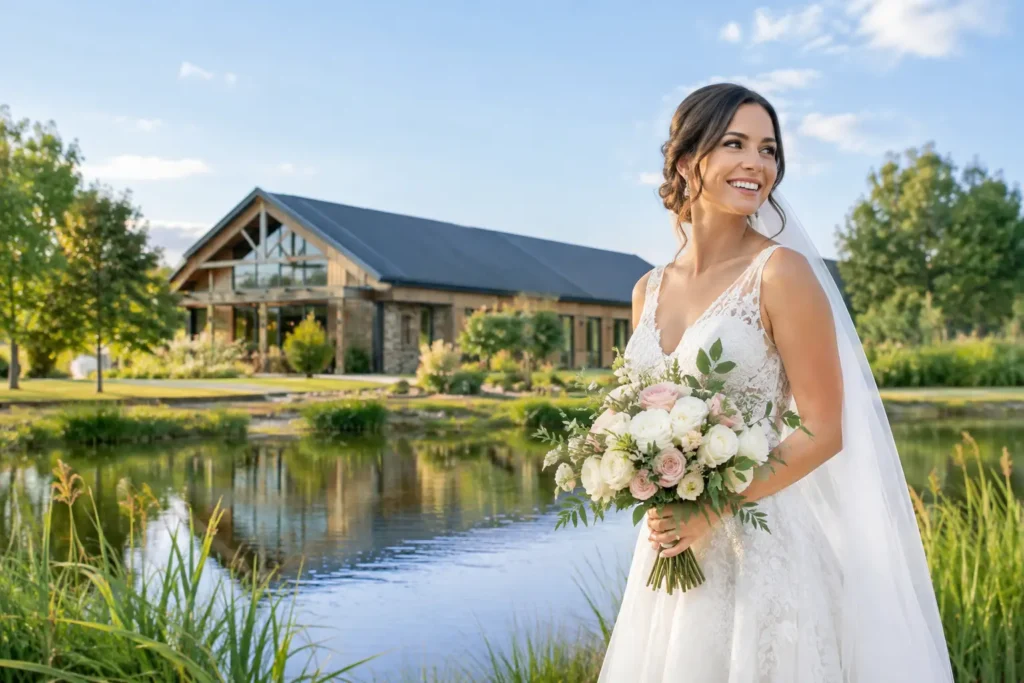
Hens and stags are still a major part of group travel, yet the format has broadened. The classic big night out remains popular, but many groups now build a weekend around an experience as well as the evening plans. Think boat trips, cocktail making, outdoor pursuits, spa time, tasting sessions or an activity that gets everyone laughing together.
The most successful itinerary usually has one main event rather than several competing bookings. Arrive, settle in, enjoy the activity, then leave enough time to get ready and enjoy dinner without rushing. The following day can be deliberately gentle. This approach works because it accommodates different energy levels and avoids the common mistake of treating a two-night break like a military schedule.
Personal touches matter too. A birthday meal, decorations in the house, a reserved table or a recommendation that genuinely suits the group can make a standard weekend feel properly considered. The goal is not luxury for its own sake. It is a trip that feels easy, generous and worth remembering.
Value now means clarity, not just a low price
Groups are careful with spending, particularly where one person is collecting deposits and managing balances. But value is not simply the lowest per-person rate. Guests compare the whole cost of the weekend: accommodation, transport, food, activities and those small extras that can mount up quickly.
A central self-catering stay can offer value because the group can share costs, make some meals at home and avoid multiple taxi journeys. Packages can also be useful when they make budgeting clear from the start. It depends on the group. For a large hen or stag, a planned activity and accommodation together may save time and reduce awkward payments. For a family break, flexibility to choose activities on the day may be more useful.
The important thing is to avoid false economy. A property that looks cheaper but is far from the action, too small for the party or unclear about its facilities can cost more in stress and unexpected extras. Honest information is a better starting point than a headline price alone.
Multi-generational and mixed-purpose stays are growing
Not every group trip fits neatly into a celebration category. Families are gathering for milestone birthdays, friends are extending wedding weekends, and colleagues are looking for relaxed alternatives to formal team events. These groups often need a little more flexibility than a traditional party weekend.
A multi-generational stay may need accessible ground-floor space, room for children to play and quiet corners for grandparents. Wedding guests may want the convenience of staying near one another while keeping their own routines. Corporate groups might need a comfortable communal space for a planning session before heading out for dinner or an activity.
The common thread is connection. People are choosing trips that create proper time together, rather than meeting briefly around one event and heading straight home. Accommodation with room to gather makes that possible without forcing every moment into a public venue.
How to plan around the latest group travel trends
Start with the non-negotiables before you look at photos. Confirm the real number of guests, the date, the budget range and whether the weekend is primarily about celebrating, relaxing or bringing people together. This gives you a useful filter for accommodation and activities.
Next, pick the one part of the trip that deserves to be booked early. For many groups that will be the property itself; for others it may be a popular dinner reservation or activity. Once that anchor is in place, do not try to make every decision at once. Give guests a simple outline: arrival plans, the main event, dinner plans and check-out. People usually need clarity more than a minute-by-minute schedule.
It also helps to be realistic about group dynamics. If half the party is travelling from different parts of the country, set a relaxed arrival window. If there are different budgets, offer choices for optional extras rather than making everything compulsory. If the group is large, nominate one or two people to help with decisions and payments. Sharing the practical load makes the organiser’s job much more enjoyable.
Finally, use local knowledge. A host who knows the area can often save you from booking an activity that is wrong for your group, choosing a restaurant that cannot handle the numbers or building an itinerary that relies on too much travel. At Carrick Self Catering, that hands-on approach is part of helping groups arrive feeling looked after rather than still stuck in planning mode.
The best group weekends leave room for the moments nobody scheduled: the kitchen chat before heading out, the last-minute walk by the water, the shared breakfast when everyone finally slows down. Build the practical parts well, and there will be plenty of space for those bits to happen.